Blogs, podcasts, and strategic guides for modern equity management.
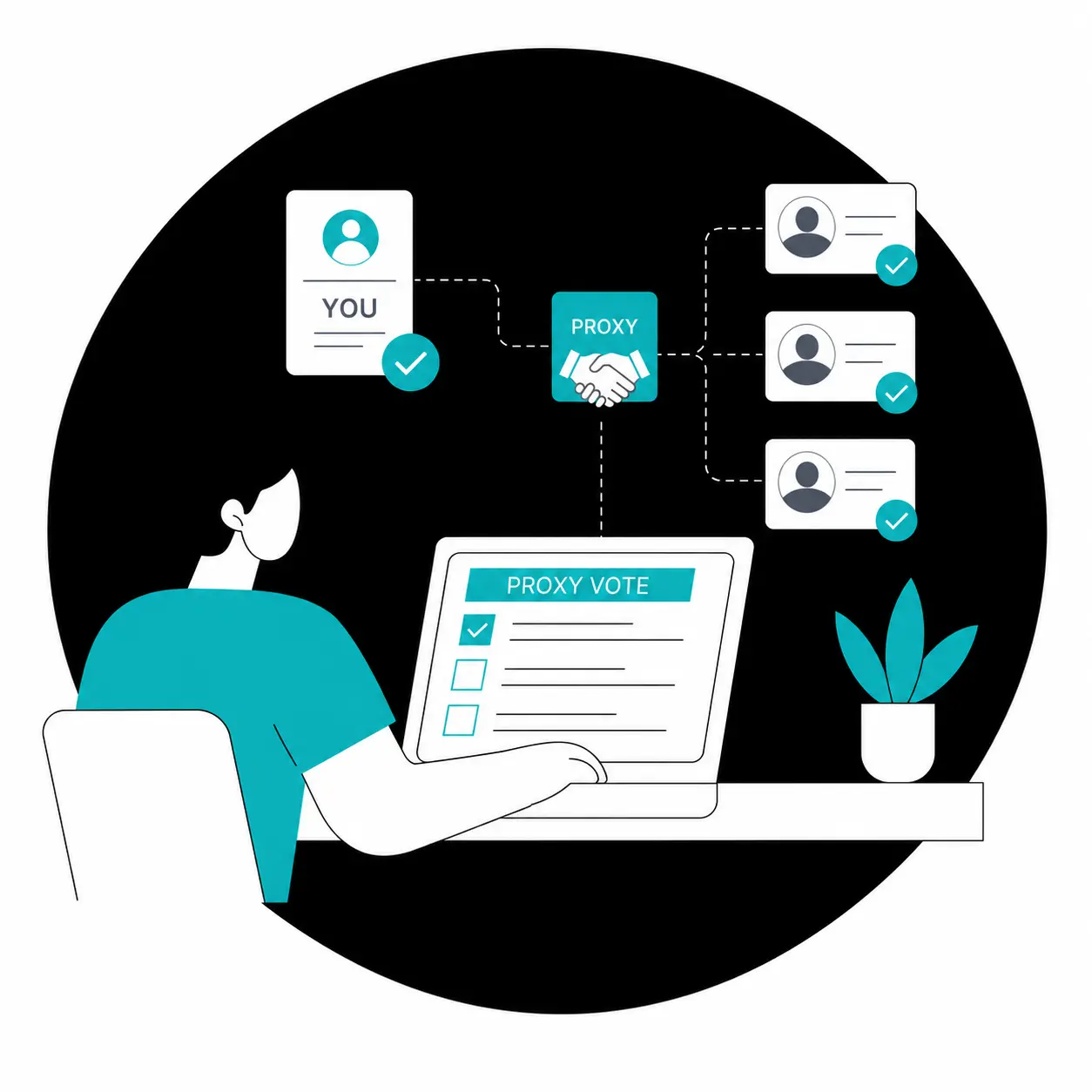
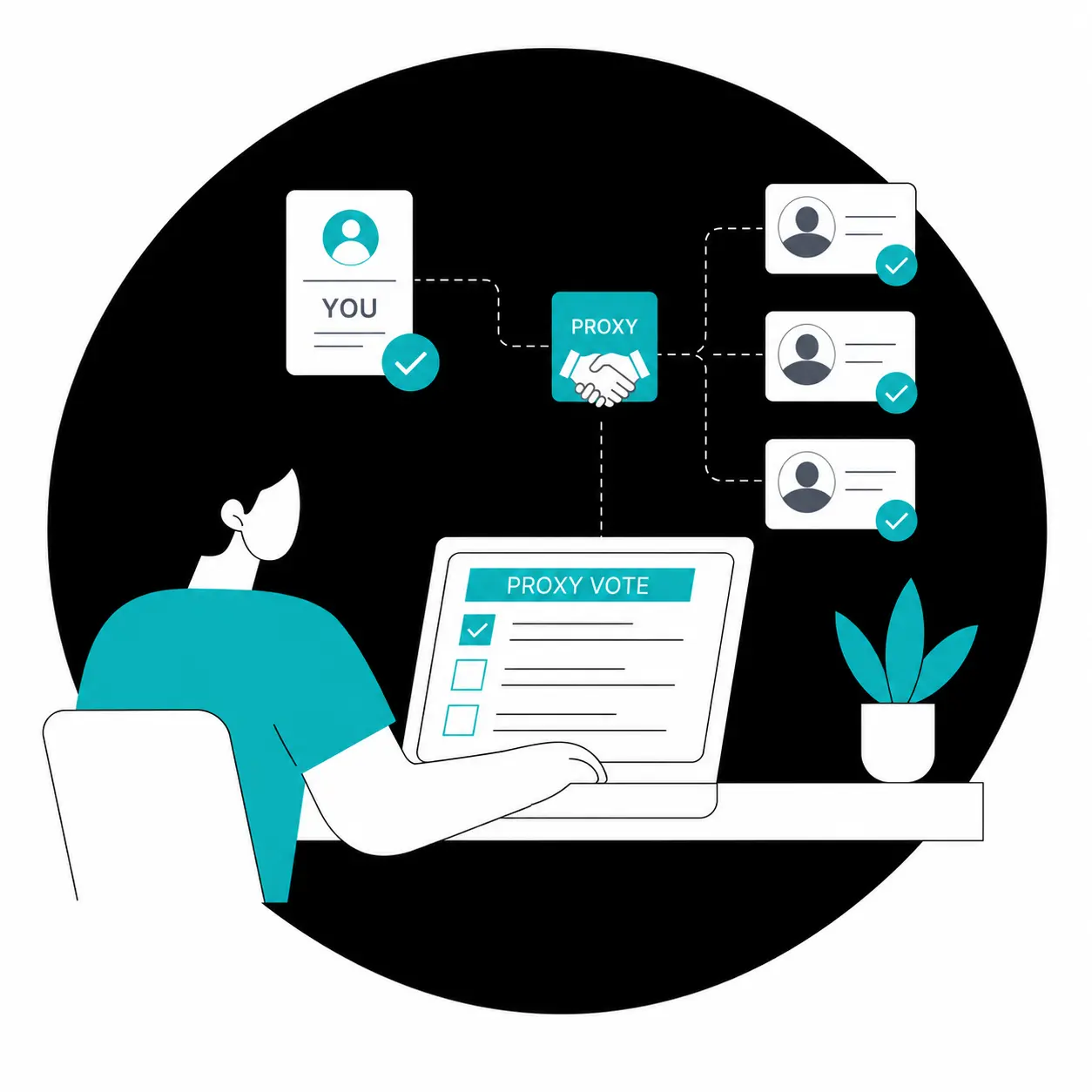
Proxy voting for private companies often relies on spreadsheets, email, PDFs, and manual follow-up. Here's why that creates more work than it should.
48
47
46
Cap Table Management
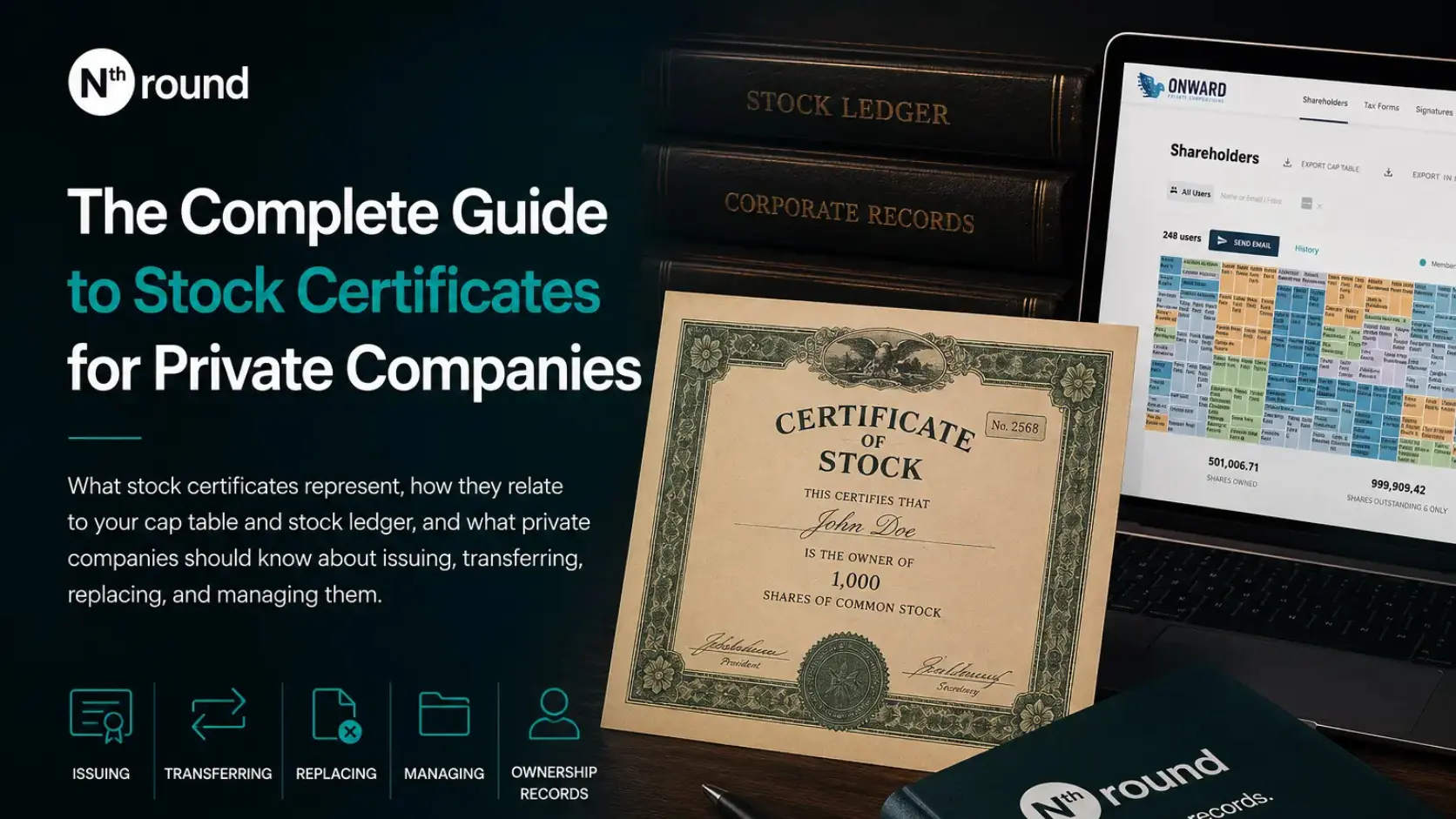
Learn how stock certificates work, the difference between certificated and uncertificated shares, and how private companies issue, transfer, replace, and manage certificates.
Learn how digital cap tables help private companies future-proof ownership records, reduce spreadsheet risk, and improve reporting.
See 5 signs your cap table process needs an upgrade, including spreadsheet risk, outdated records, investor readiness, and audit concerns.
Stakeholder Communications
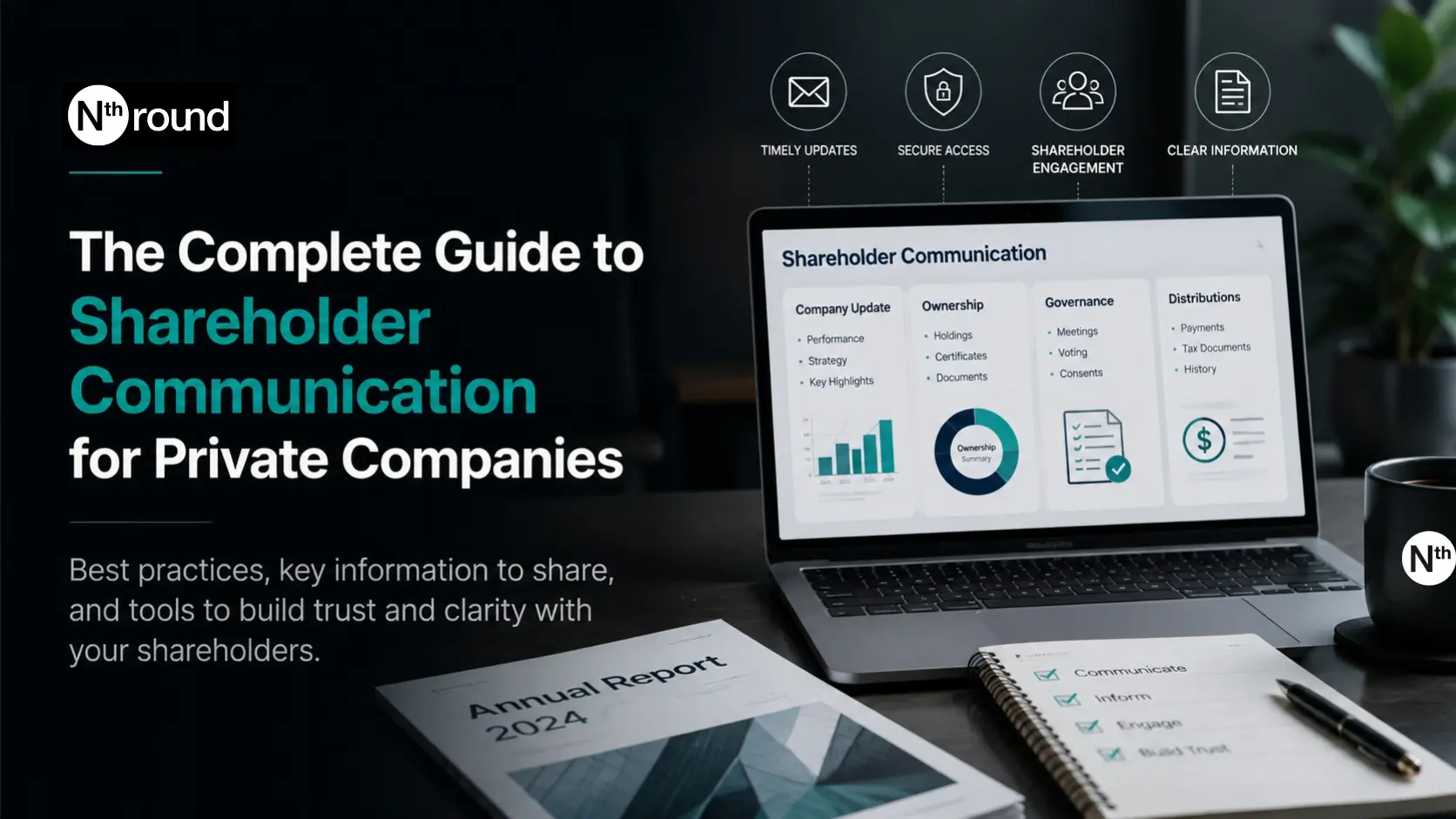
Learn how private companies can communicate better with shareholders, provide context around company performance, improve access to ownership information, and build a process that scales.
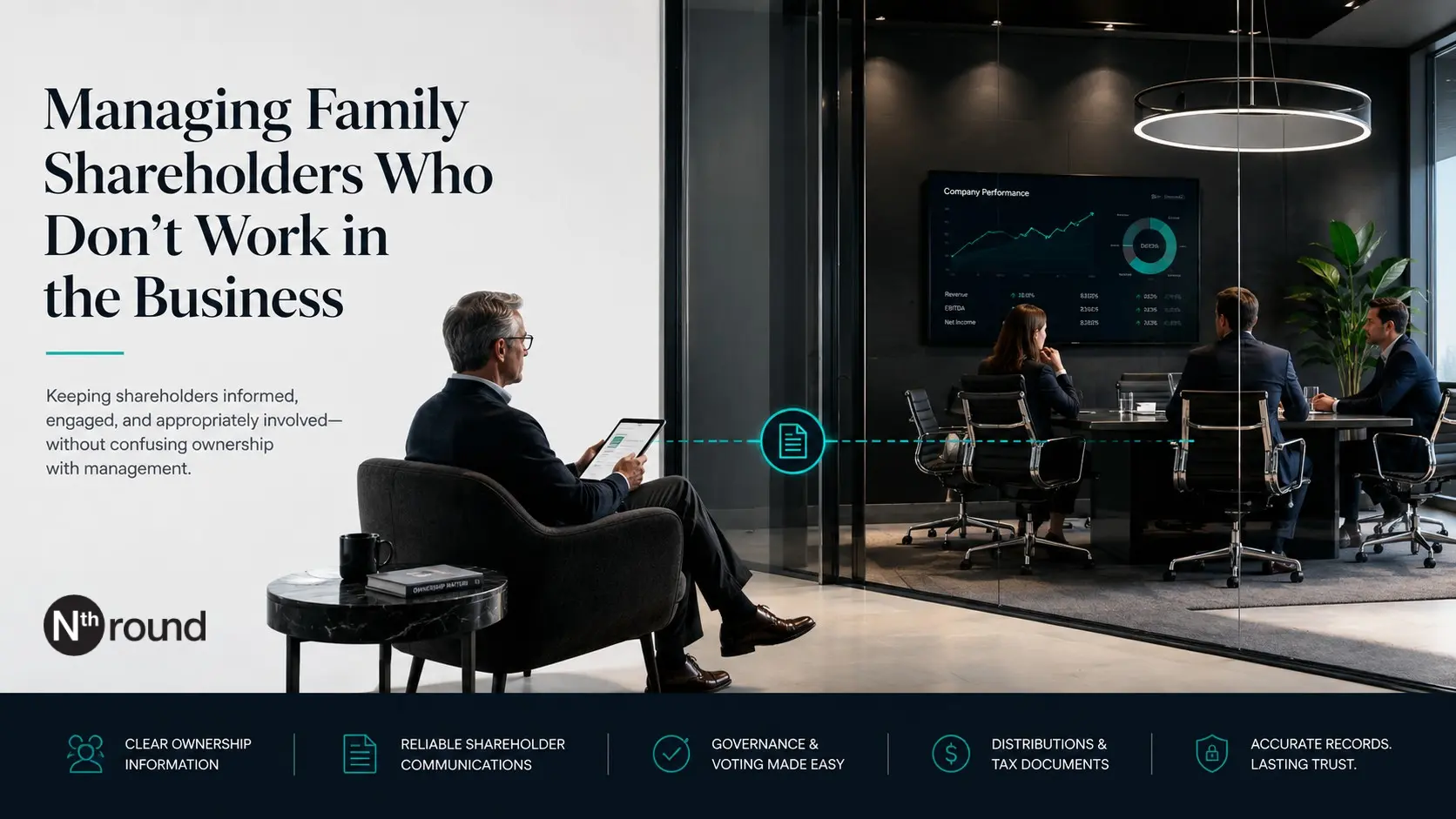
Learn how family businesses can manage shareholders who don’t work in the company, from communication and governance to distributions, records, and liquidity.
Learn why shareholder communication breaks down and how private companies can improve transparency, trust, and engagement.
Equity Operations
Learn how private companies can manage stock certificates after issuance, including tracking, storage, transfers, cancellations, replacements, and shareholder access.
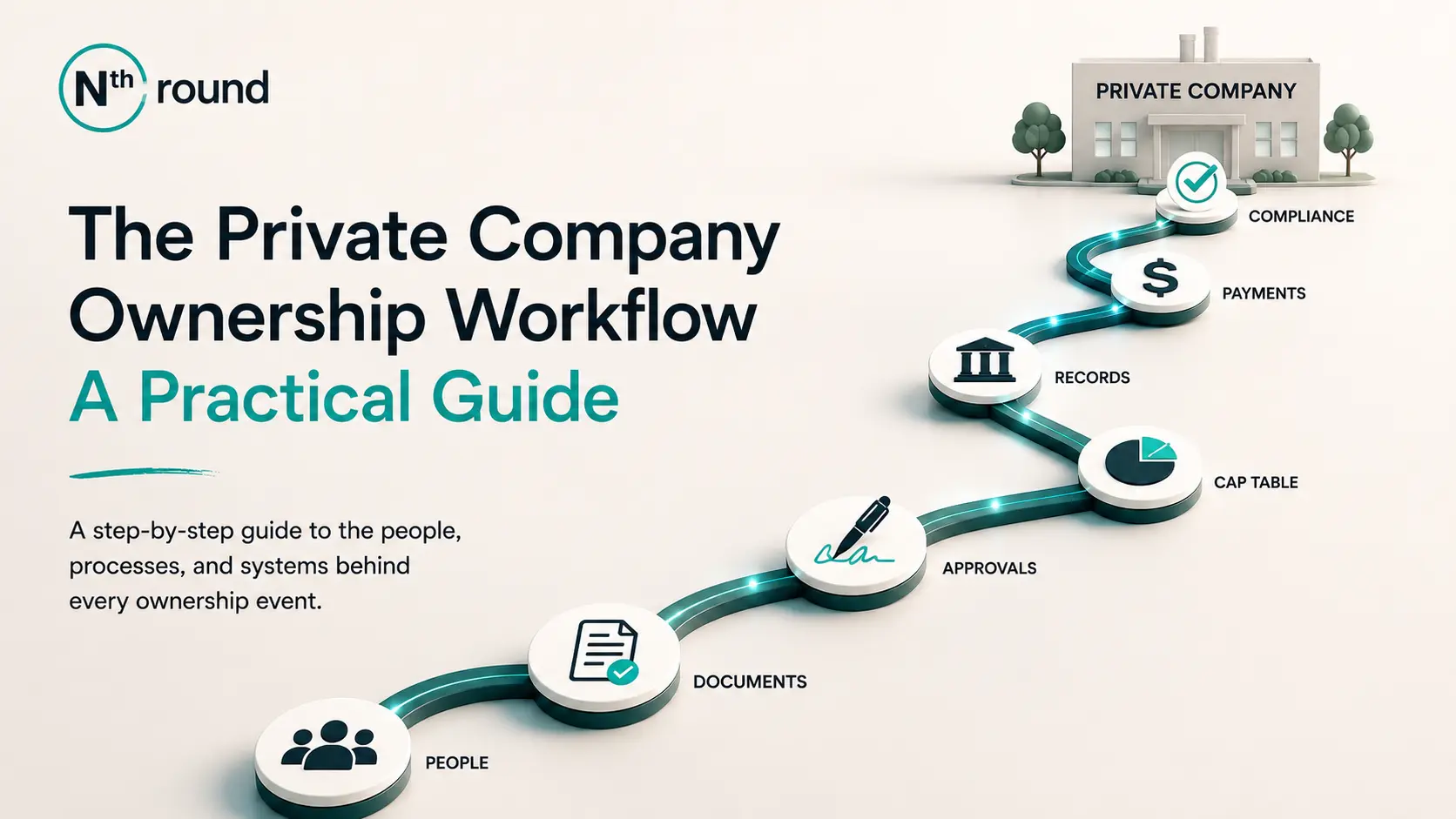
Learn how private company ownership workflows connect equity issuance, governance, and ownership operations. Discover the people, processes, records, and systems behind every ownership event.
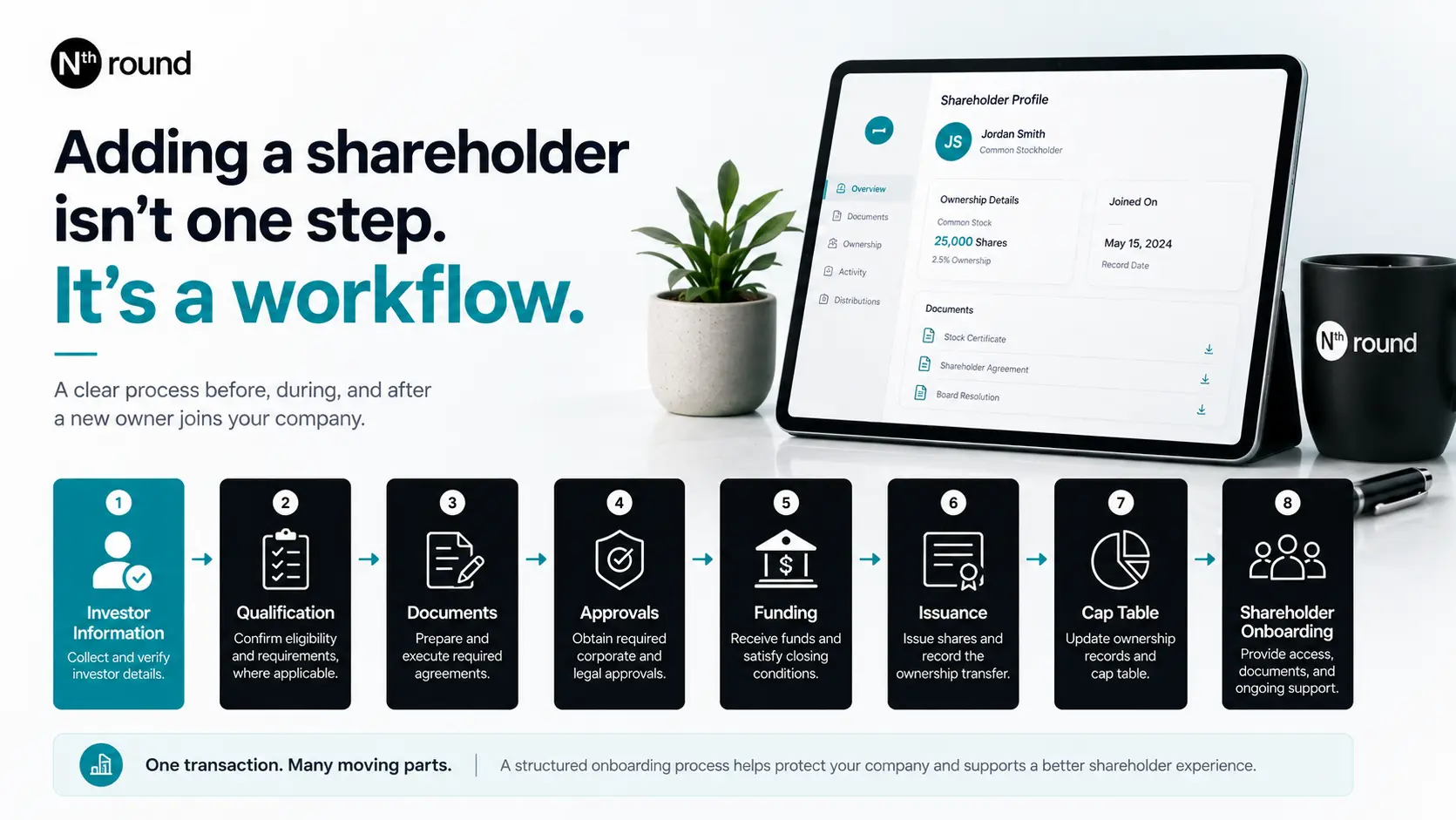
Learn how to onboard a new shareholder in a private company, from approvals and documentation to cap table updates, shareholder access, and long-term ownership administration.
Governance Insights
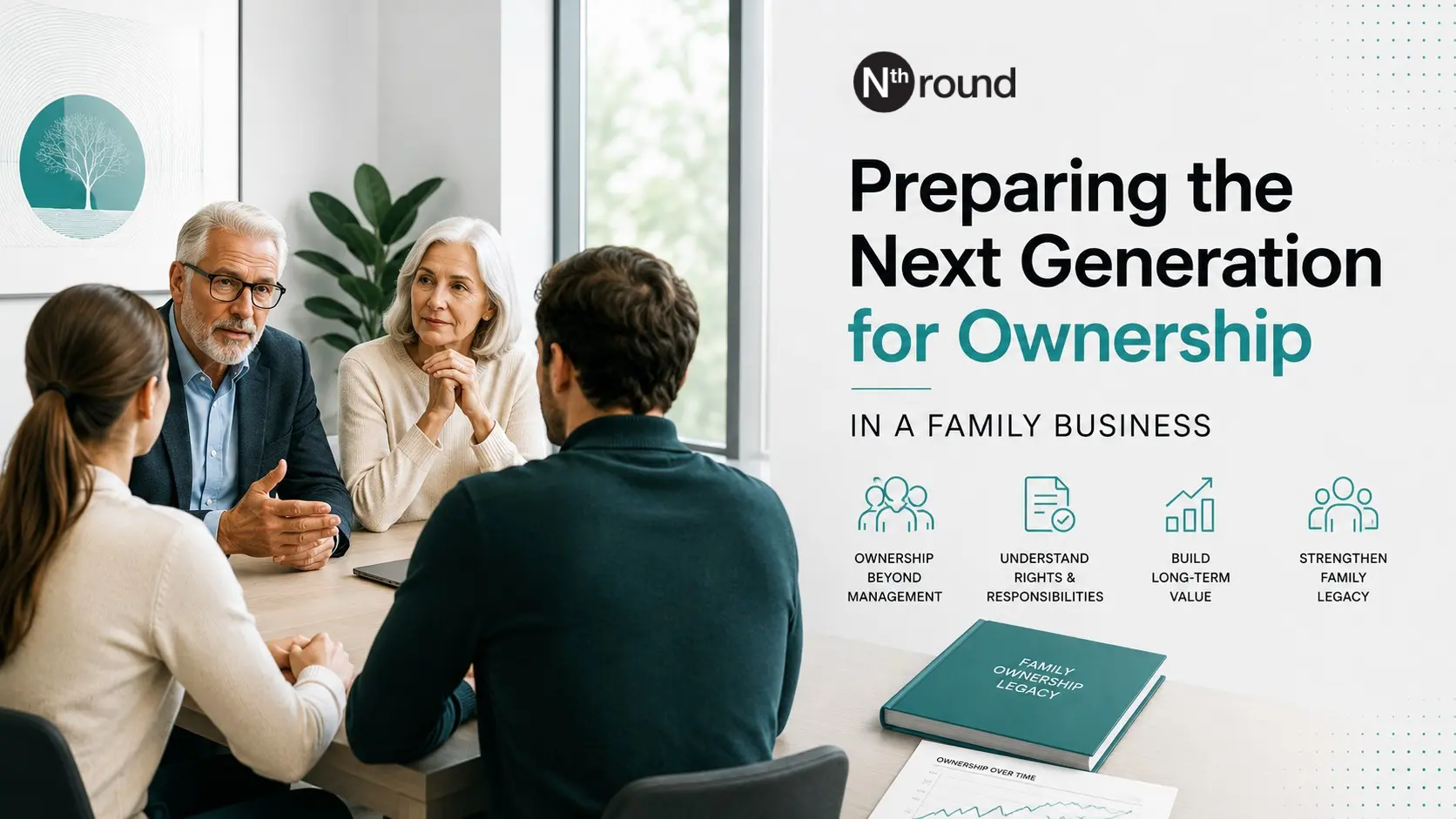
Learn how family businesses can prepare the next generation for ownership, from governance and financial literacy to liquidity, communication, and shareholder responsibilities.
See the risks and costs of running proxy voting through spreadsheets and email, and how private companies can modernize the process.
Explore what family businesses often overlook about shareholder expectations, communication, governance, and next-generation ownership.


.webp)
.png)






.png)